Trusted Synthetic Turf in Langley
The Perks of Artificial Grass Installation: An Easy-Care Solution for Your Lawn
Artificial lawn installation provides numerous advantages that resonate with homeowners looking for a low-maintenance landscaping option. It removes the need for regular chores like mowing and watering, providing a sensible substitute for conventional landscaping. Moreover, its eco-friendly attributes contribute to water conservation and reduced chemical usage. As homeowners explore this alternative, inquiries about safety and long-term financial benefits commonly surface, prompting a closer copyrightination of its overall impact on outdoor spaces.
The Time-Saving Edge of Artificial Grass
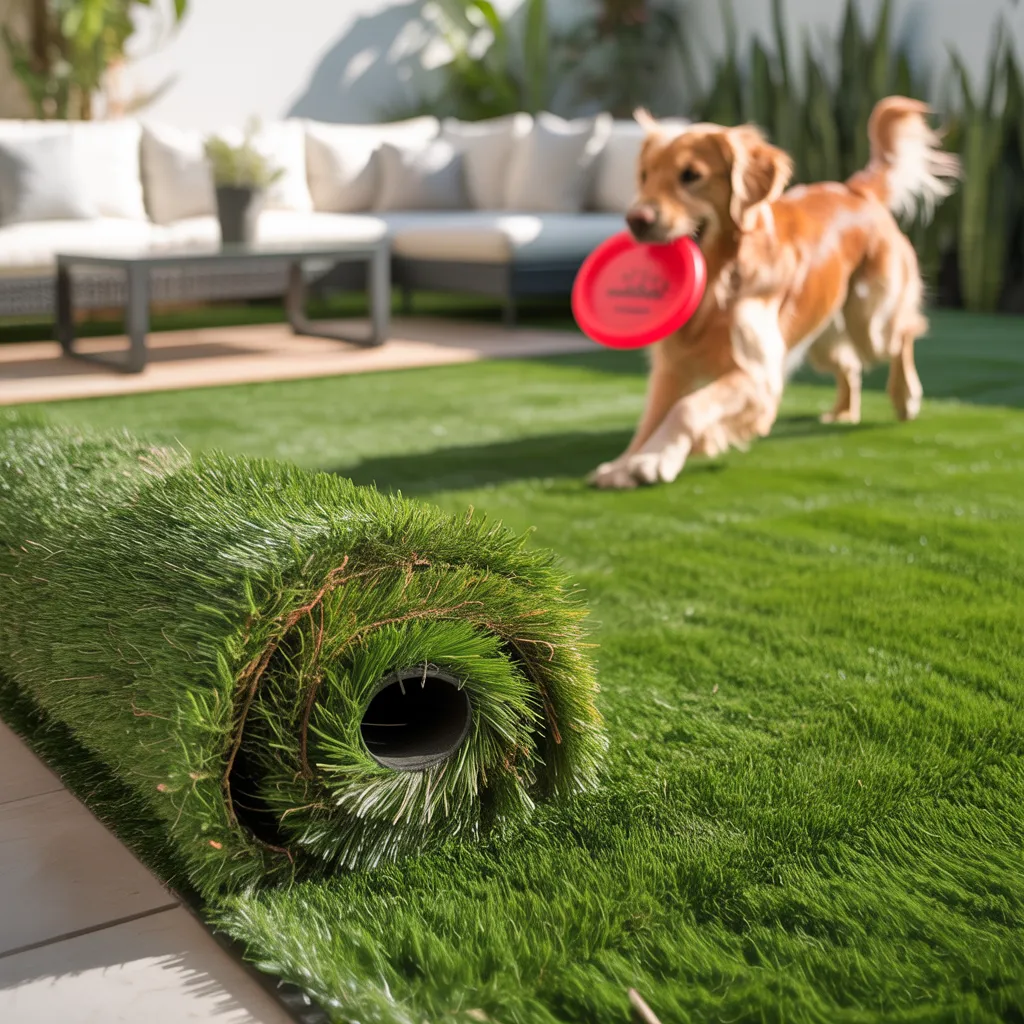
When homeowners consider the benefits of artificial grass, one of the most compelling advantages is the substantial time savings it delivers. Natural grass lawns demand regular maintenance, including mowing, watering, and fertilizing, which can consume countless hours each month. By comparison, artificial grass removes these responsibilities, giving homeowners the freedom to reclaim their time.
With no need for mowing, residents can appreciate a perpetually well-groomed look without any effort. Moreover, the lack of watering needs means that hectic routines will not be interrupted by the need to maintain hydration levels in the lawn.
Additionally, artificial turf is often designed to resist weeds, reducing the hours spent on weeding and lawn care. This easy-care option appeals to people and families seeking to improve their outdoor areas without the time-consuming work. In the end, the time-saving advantage of synthetic grass significantly adds to its increasing appeal with homeowners desiring a convenient solution.
Environmental Advantages of Artificial Grass
Even as many homeowners focus on aesthetic value, the eco-friendly benefits of artificial grass make it an increasingly attractive option. One major benefit lies in water conservation; artificial grass removes the necessity for frequent watering, which can save thousands of gallons annually. This decline in water use is especially important in regions facing drought conditions.
In addition, artificial turf decreases the reliance on pesticides and chemical fertilizers, encouraging a more sustainable setting. Compared to natural grass, it eliminates the need for mowing, consequently decreasing carbon emissions linked to gas-powered lawn equipment.
In addition, the installation of fake grass can play a role in minimized soil erosion, as it offers a reliable surface that endures high volumes of foot traffic and unfavorable weather conditions. All things considered, the sustainable attributes of synthetic turf not only help individual homeowners but also advance larger environmental conservation goals.
Is Artificial Turf Safe for My Pets?
How safe is artificial grass for pets? Artificial turf is commonly recognized as a pet-friendly solution for homeowners. It is manufactured using non-toxic materials, guaranteeing that pets remain safe from the dangerous chemicals frequently found in conventional grass treatments. In contrast to natural grass, artificial turf does not attract or shelter pests like fleas or ticks, offering a cleaner and safer space for pets to enjoy.
Moreover, synthetic turf provides effective water drainage, lowering the risk of muddy paws and the development of unwanted smells. Its durability allows it to endure vigorous play and digging, making it a smart choice for energetic pets. Moreover, several high-grade artificial grass products come with UV shielding, avoiding discoloration and providing a secure surface for animals to use all year long.
Even so, pet owners need to routinely clean the surface to ensure cleanliness and stop the build-up of bacteria. Overall, artificial grass delivers a reliable and safe solution for pet owners seeking low-maintenance alternatives.
Long-Term Benefits and Savings With Artificial Grass
Artificial turf not only boosts the safety and comfort of pets but also delivers substantial long-term savings for homeowners. By removing the requirement for routine watering, mowing, and fertilization, synthetic grass significantly cuts down on ongoing maintenance expenses. Property owners can anticipate reductions in water bills, particularly in regions subject to drought restrictions, as artificial lawns demand very little irrigation. Moreover, the durability of artificial grass means it withstands heavy foot traffic and extreme weather conditions here without the need for frequent replacement. This lasting quality results in reduced expenses over time when compared to natural grass, which may need re-sodding or significant repairs. Moreover, the decreased time spent on maintenance enables homeowners to direct their energy elsewhere, adding to the overall cost-effectiveness. Ultimately, the initial outlay for artificial turf can produce considerable savings, making it a sound financial option for those aiming to upgrade their outdoor spaces while keeping long-term costs to a minimum.
Elevating Your Outdoor Living Area With Artificial Grass
Revamping an outdoor environment is straightforward when homeowners choose artificial grass, as it offers a lush, green landscape year-round without the stress of conventional grass maintenance. This adaptable choice elevates the overall appearance, creating appealing zones for rest, fun, or social gatherings. The vibrant colors and realistic textures available can pair beautifully with diverse architectural styles, from contemporary to traditional, effortlessly integrating with existing garden features.
Furthermore, artificial grass can be adapted to unique requirements, making it ideal for a wide range of uses such as playgrounds, patios, or poolside areas. Its durability under heavy foot traffic ensures that outdoor environments remain pristine and usable across all seasons. Additionally, artificial grass promotes environmental sustainability by reducing water consumption and eliminating the need for harmful pesticides. All in all, this innovative solution not only improves the visual appeal of any outdoor space but also fosters a functional and enjoyable environment for homeowners and visitors.
The Ease of Low Maintenance With Artificial Grass
As many homeowners desire a lush yard without the extensive maintenance, opting for artificial grass offers an ideal solution. This cutting-edge landscaping alternative needs significantly less care than conventional grass. Residents no longer must invest hours into cutting, irrigating, or feeding their lawns. Rather, a quick wash with water is generally enough to maintain a clean and vibrant appearance.
Artificial turf is immune to insects and plant diseases, eliminating the need for harsh chemical applications that pose risks to the environment. In addition, it withstands diverse climatic conditions, maintaining its visual appeal year-round without discoloration or deterioration. The lack of mud and clippings additionally results in fewer messes being brought indoors.
Thanks to artificial grass, homeowners can experience a reliably beautiful and attractive landscape free from the continuous work and time investment that comes with natural grass. This low-maintenance option allows for greater free time and fewer concerns regarding lawn care.
What to Anticipate During Artificial Grass Installation
Homeowners selecting artificial grass can look forward to a seamless installation process that improves their outdoor space. Usually, the procedure commences with an inspection of the area to establish the appropriate type and amount of grass needed. Experienced installers will prepare the existing lawn, clearing away debris and vegetation to create a smooth base.
Following this, they will even out the ground and add a crushed rock base for drainage purposes, ensuring the best results. A weed membrane may be laid down to stop future weed growth. After the base has been established, the synthetic turf is laid out, cut to fit the intended area, and fixed firmly in place.
To complete the process, infill materials like sand or rubber are added to help the grass blades stand upright and provide cushioning. The whole process usually requires just one to two days, giving homeowners the ability to promptly enjoy their new, low-maintenance lawn.
Frequently Asked Questions
How Long Will Artificial Grass Last Before It Needs Replacing?
Artificial grass typically lasts 15 to 25 years on average, based on factors such as maintenance, quality, and frequency of use. With proper care, it can retain its aesthetic and function throughout its lifespan, reducing the necessity for replacement.
Is Installing Artificial Grass Over Existing Grass Possible?
Absolutely, artificial grass is able to be placed over existing grass, though proper preparation is essential. This encompasses securing an even surface, clearing away debris, and tackling drainage problems to avoid future issues and maintain long-term performance.
What Varieties of Artificial Grass Can You Choose From?
Multiple kinds of artificial grass can be found, including nylon, polypropylene, and polyethylene. Each option is distinct in its durability, texture, and application, accommodating residential, commercial, and sports-related environments, providing targeted solutions designed around individual needs.
Is Artificial Turf Resistant to Sun-Induced Fading?
Synthetic turf is designed to be resilient against fading caused by sunlight, utilizing UV-resistant stabilizers that help maintain its vibrant color over time. This resilience guarantees a consistent appearance, making it an appealing option for outdoor spaces.
How Well Does Artificial Grass Hold Up Against Extreme Weather Conditions?
Artificial grass excels in extreme weather conditions, maintaining its structure and appearance. It is built to withstand heat, heavy rain, and freezing temperatures, ensuring durability and a consistent look regardless of environmental challenges.